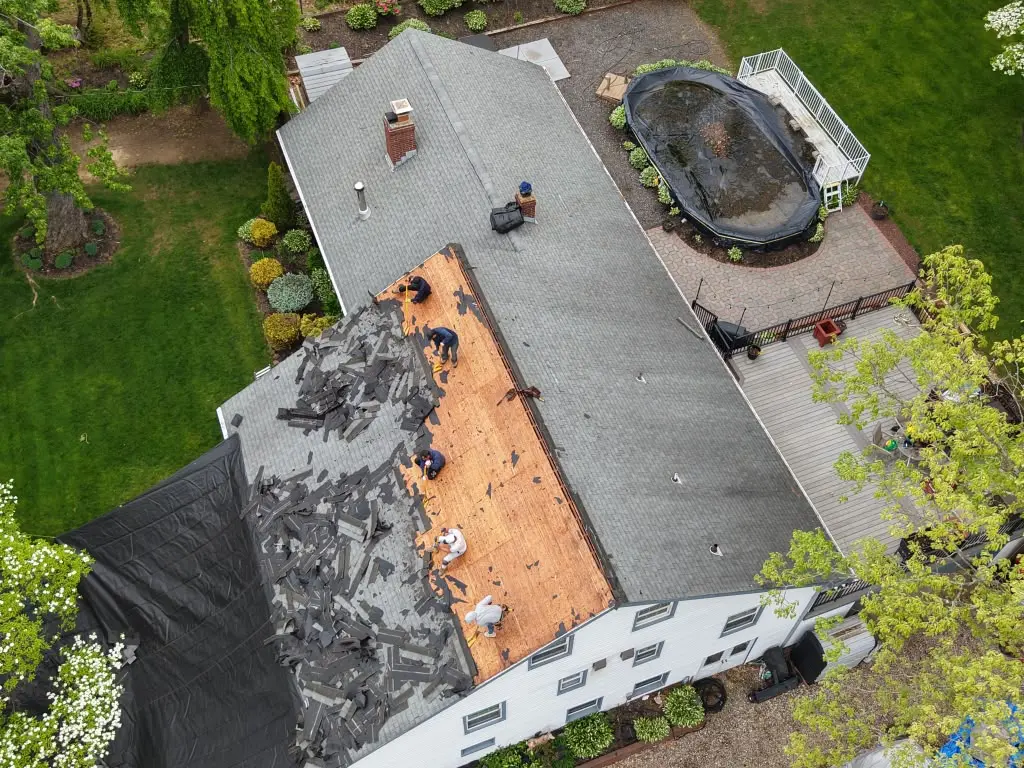
Your roof works quietly in the background every day — until it doesn't. Knowing the difference between a minor repair and a roof that needs full replacement can save New Jersey homeowners thousands of dollars and prevent serious water damage down the line.
1. Your Roof Is Approaching (or Past) Its Expected Lifespan
Most asphalt shingle roofs in New Jersey last between 20 and 25 years, depending on the quality of materials and how well the roof was ventilated and maintained. Metal and tile roofs can last considerably longer. If you're not sure how old your roof is, check your home's inspection records or ask the previous owner — age alone is often the single biggest factor in deciding between repair and replacement.
2. Shingles Are Curling, Cracking, or Missing
Take a walk around your property and look up. Shingles that are curling at the edges, cracked down the middle, or missing entirely are a sign that the roofing material has reached the end of its useful life. A few missing shingles can usually be repaired, but widespread curling or cracking across the roof is a strong indicator that replacement is the more cost-effective option.
3. Granules Are Collecting in Your Gutters
Asphalt shingles are coated with granules that protect them from UV rays and weather. As shingles age, these granules break loose and wash into your gutters. Finding a handful of granules once in a while is normal — but if your gutters are consistently filling with them, it usually means the shingles have worn down significantly and are no longer protecting your home effectively.
4. Daylight Is Visible Through the Roof Boards
If you can go into your attic during the day and see light coming through the roof boards, that's an immediate red flag. It means there are gaps or holes large enough to let in water, pests, and cold air — not just a cosmetic issue, but a structural one that needs prompt attention.
- Sagging roof deck: A visible dip or sag anywhere on the roofline can mean structural damage underneath.
- Dark streaks or moss growth: Often a sign of trapped moisture and poor ventilation.
- Rising energy bills: A failing roof can let conditioned air escape, forcing your HVAC system to work harder.
- Water stains on interior ceilings: A clear sign that water is already making its way inside.
"When in doubt, a professional inspection costs nothing and can save you from a much more expensive emergency repair later."
5. Storm or Wind Damage Has Occurred
New Jersey homes regularly face high winds, hail, and severe storms throughout the year. Even if your roof looks fine from the ground, storm damage isn't always visible without a closer inspection — lifted shingles, hidden punctures, and weakened flashing can all lead to leaks weeks or months after the storm has passed. If your roof was damaged by wind or hail, our team can also help manage the insurance claims process for you, from documentation to the final approval.
Repair or Replace? Let a Free Inspection Decide
Not every one of these signs automatically means you need a full roof replacement — sometimes a targeted repair is all that's needed. The safest way to know for sure is a professional, no-obligation inspection. Our team evaluates the age, materials, and extent of any damage before recommending the most cost-effective path forward for your home.
Not Sure If You Need a Repair or Replacement?
Schedule your free, no-obligation roof inspection with BNJ Contractors — proudly serving homeowners across New Jersey.